Leadership
The leadership team and organizational structure of UBCAR.
National Central Council (C.N.C.)
The supreme deliberative body of U.B.C.A.R., exercising strategic guidance, oversight, and adoption of internal normative acts.
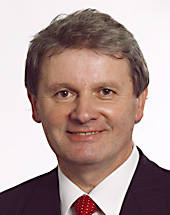
Nicodim Bulzesc

Ciobănică Marin

Safta Eusebiu
Baldea Neculae

Safta Cristian

Malicski Călin
Martin Gabriel
Board of Directors
The executive coordination structure of U.B.C.A.R. activities.

Baldea Neculae
Nicodim Bulzesc
Safta Eusebiu
Martin Gabriel
National Executive Council (C.E.N.)
The executive and administrative body of U.B.C.A.R., responsible for operational management and implementation of the National Central Council decisions.
Baldea Neculae
Legal representation and executive leadership.
Safta Eusebiu
Records and internal acts management.
Safta Cristian
Financial resources management.
Ciobănică Marin
Financial oversight and discipline.
Malicski Călin
Internal audit and oversight.
Martin Gabriel
Legal assistance and counsel.
Organizational Structure
According to the Statute and R.O.F., U.B.C.A.R. is organized unitarily at national, regional, and local levels, with a separation of deliberative, executive, and consultative functions.
National Central Council (C.N.C.)
Supreme deliberative bodyStrategic guidance, oversight, and adoption of internal normative acts. Composed of members designated by statutory structures, with a 4-year mandate. Convenes at least once per year.
National Executive Council (C.E.N.)
Executive bodyLed by a President/Director who exercises legal representation. Implements C.N.C. decisions, administers patrimony, and coordinates territorial structures.
National Fraternal Council (S.F.N./A.G.)
Consultative bodyExercises consultative and deliberative functions, without executive or normative character. Its opinions and recommendations are non-binding.
Territorial Structures
Regional levelRegional communities, diaspora structures, and structures with ethnic or linguistic specificity, with administrative and financial autonomy.
Affiliated Local Churches
Local levelWorship units organized according to their own internal ordinances, with administrative and financial autonomy within statutory limits.